

This is the conclusion of a study conducted by researchers from Center for Psychedelic Research of Imperial College London.
In the most rigorous trial to date evaluating the therapeutic potential of a 'psychedelic' compound, researchers compared two sessions of psilocybin therapy with a six-week course of a leading antidepressant (a selective serotonin reuptake inhibitor called escitalopram) in 59 people with moderate to severe depression.
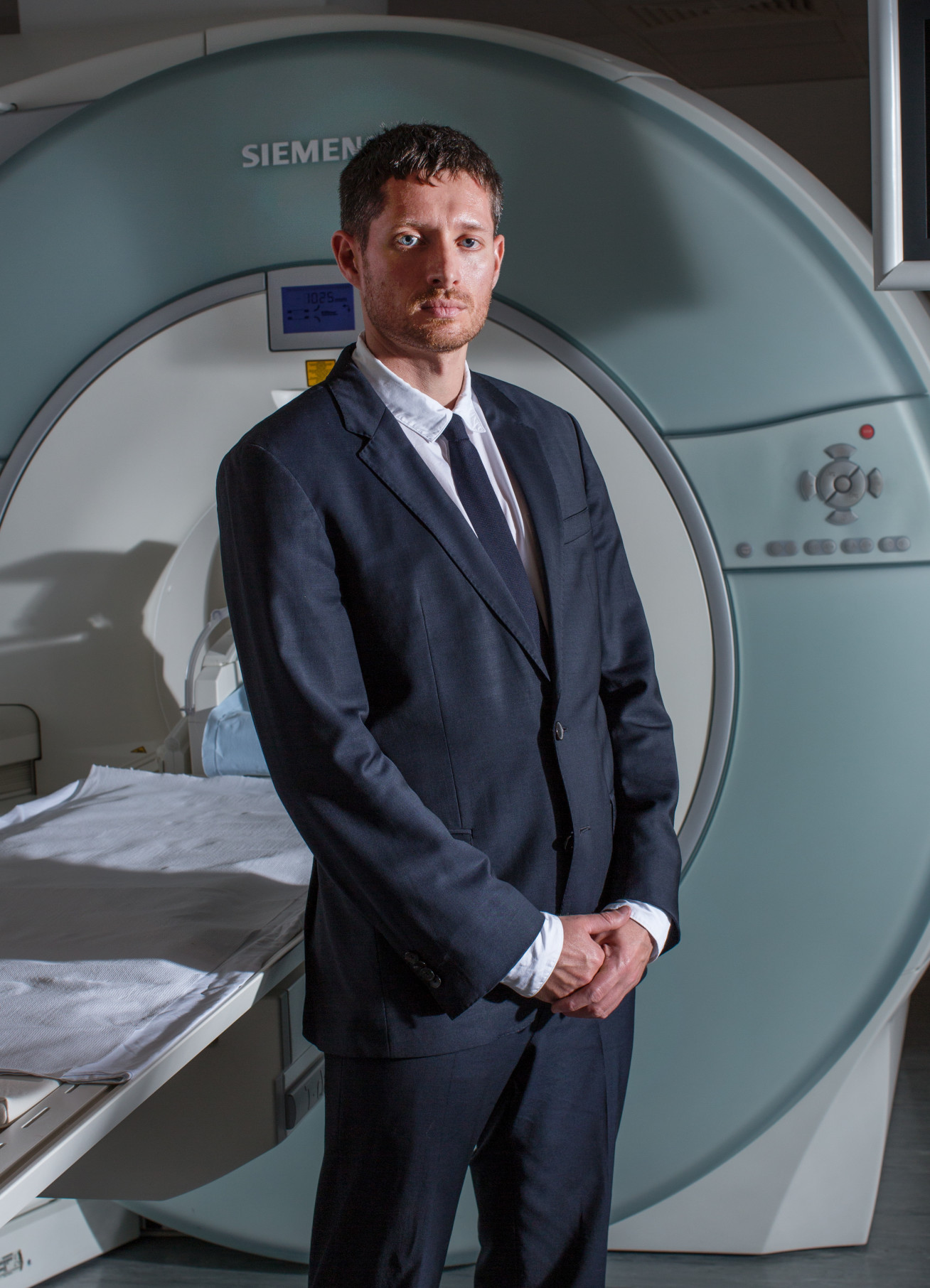
The results , published today in New England Journal of Medicine Studies show that while depression scores were reduced in both groups, the reductions occurred more rapidly in the psilocybin group and were greater in magnitude.
However, the researchers caution that the primary comparison between psilocybin and the antidepressant was not statistically significant. They add that larger trials with more patients over a longer period are needed to show whether psilocybin can perform as well as, or more effectively than, an established antidepressant.
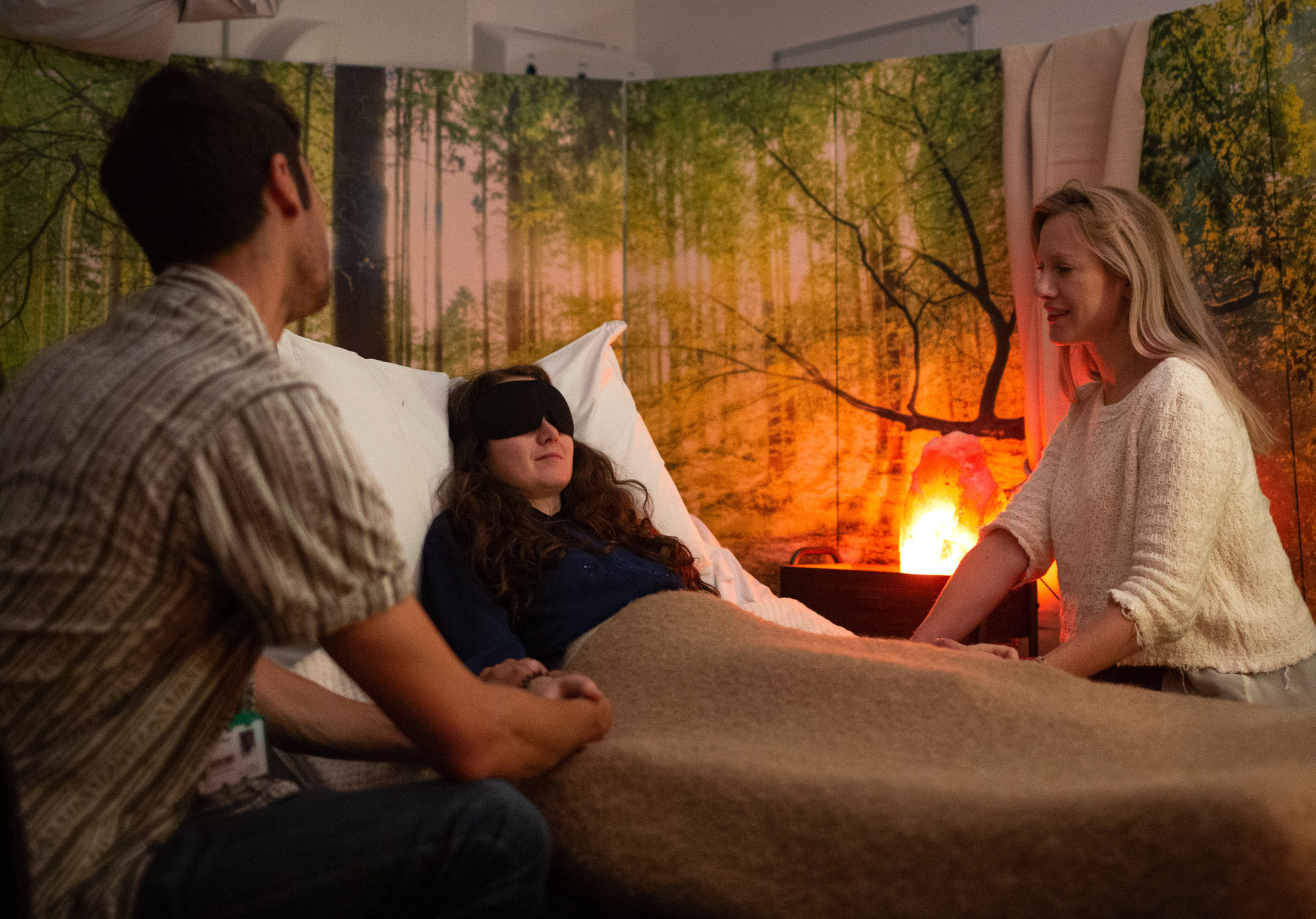
For the psilocybin dosing sessions, volunteers received an oral dose of the drug in a specialized clinical setting while listening to a curated playlist of music and were guided through their experiences by a psychological support team, which included registered psychiatrists. All volunteers in the study received the same level of psychological support.
These latest findings... offer the most compelling evidence yet to support efforts to license psilocybin therapy as a regulated mental health intervention. Dr. Robin Carhart-Harris, Center for Psychedelic Research
People treated with psilocybin – called 'COMP360' by its developers, COMPASS Pathways PLC – showed marked improvements in a range of subjective measures, including their ability to feel pleasure and express emotions, greater reductions in anxiety and suicidal ideation, and increased feelings of well-being.
Robin Carhart-Harris , head of the Imperial Psychedelic Research Center, who designed and led the study, said: “These results comparing two doses of psilocybin therapy with 43 daily doses of one of the best-performing SSRI antidepressants help contextualize the promise of psilocybin as a potential mental health treatment.” Remission rates were twice as high in the psilocybin group as in the escitalopram group.
“One of the most important aspects of this work is that people can clearly see the promise of properly administered psilocybin therapy, comparing it to a more familiar and established treatment in the same study. Psilocybin performed very favorably in this direct confrontation.”
Growing Evidence
During the study, 59 volunteers with moderate to severe depression received either a high dose of psilocybin and a placebo or a very low dose of psilocybin and escitalopram.
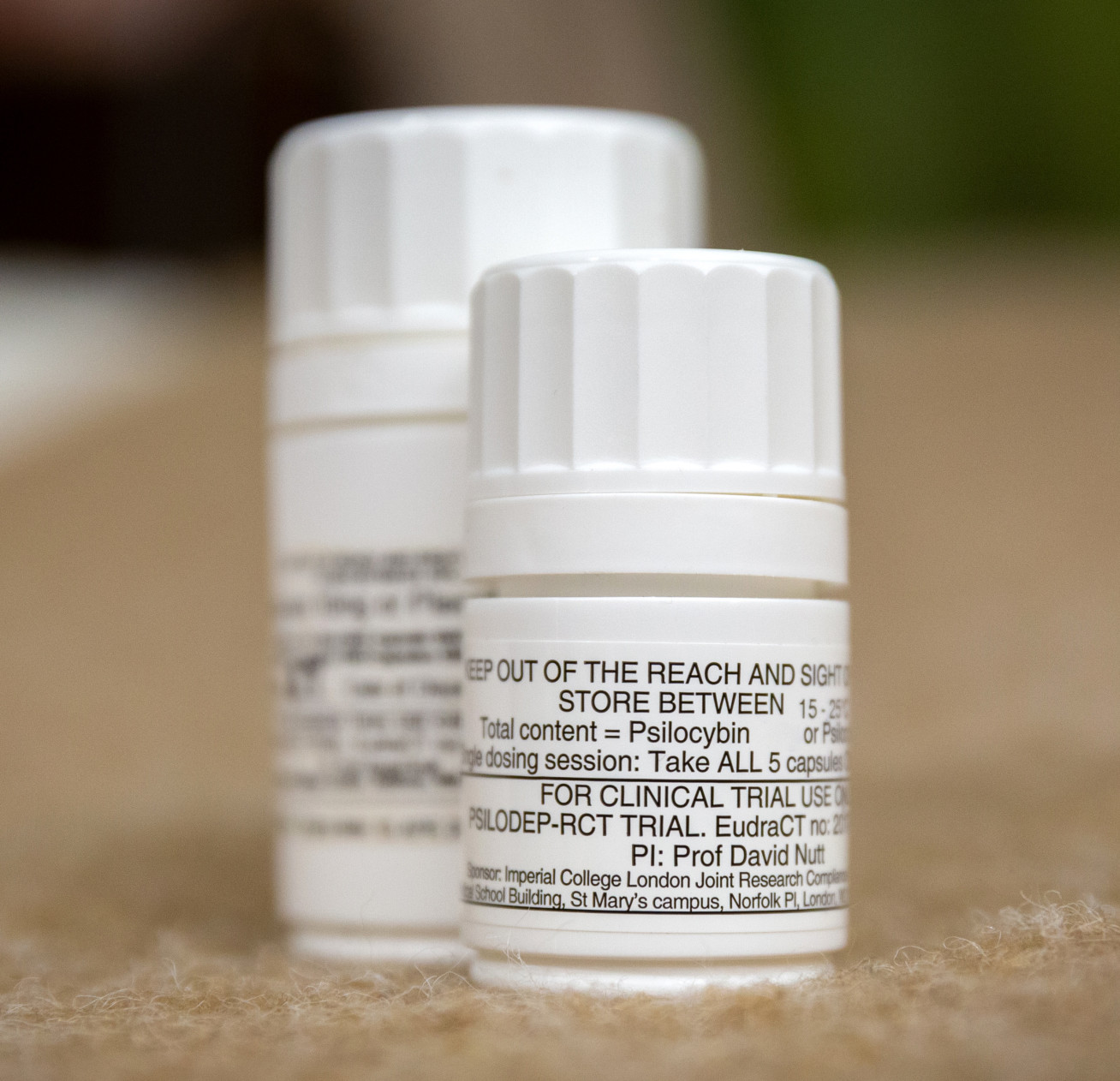
In the psilocybin arm of the study, 30 people received an initial dose of psilocybin (25 mg) at the start of the study, followed by a second dose (25 mg) three weeks later. They received six weeks of daily placebo capsules: one per day after the first dosing session, increasing to two per day after the second dosing session.
In the escitalopram arm of the study, 29 people received 1 mg of psilocybin at the dosing sessions – a dose so low that it can be classified as inactive and unlikely to have an effect.
They also received six weeks of daily escitalopram: one 10mg capsule per day after the first dosing session, increasing to two per day after the second dosing session (20mg per day) – the maximum dose for this SSRI.
All participants were assessed using standardized scales of depressive symptom severity. The primary measure, the QIDS-SR-16, was used to assess depressive symptoms on a continuous scale ranging from 0 to 27, where higher scores indicate greater depression. At the start of the trial, the average score was 14.5 for the psilocybin group. But after six weeks, the scores were reduced by an average of 8.0 points.
The response, defined as a reduction in depression scores from baseline of at least 50%, was observed in 70% of people in the psilocybin group, compared to 48% in the escitalopram group. Furthermore, symptom remission – measured as a score of 0-5 at week six – was observed in 57% of the psilocybin group, compared to only 28% in the escitalopram group.
Encouraging Discoveries
The team points out that, although the results are generally positive, the absence of a direct placebo group and the small number of participants limit conclusions about the effect of any treatment alone. They add that the study sample was largely composed of white individuals, mostly male, and relatively well-educated, which limits extrapolations to more diverse populations.
The psilocybin group reported fewer cases of dry mouth, anxiety, drowsiness, and sexual dysfunction than the escitalopram group, and a similar rate of adverse events overall. Headaches experienced a day after dosing sessions were the most common side effect of psilocybin.
Dr. Rosalind Watts, clinical lead for the study and formerly based at the Center for Psychedelic Research, said: “Context is crucial for these studies and all volunteers received therapy during and after the psilocybin sessions. Our team of therapists was available to offer full support through sometimes difficult emotional experiences.
Professor David Nutt Edmond J. Safra, principal investigator of the study and Chair in Neuropsychopharmacology at Imperial, said: “These findings provide further support for the growing body of evidence showing that, in people with depression, psilocybin offers an alternative treatment to traditional antidepressants.
"In our study, psilocybin worked faster than escitalopram and was well tolerated, with a very different adverse effect profile." We look forward to further testing, which, if positive, should lead to psilocybin becoming a licensed medication.”
Asking for Care
The authors caution that, while the initial results are encouraging, patients with depression should not attempt to self-medicate with psilocybin, as the team provided a special clinical and therapeutic context for the experiment with the drug and a regulated dose formulated under laboratory conditions. They emphasize that taking magic mushrooms or psilocybin without these careful precautions may not have a positive outcome.
Carhart-Harris added: “These latest findings build on our previous research testing psilocybin therapy for treatment-resistant depression and offer the most compelling evidence yet to support efforts to license psilocybin therapy as a regulated mental health intervention. I am deeply grateful for the philanthropic support that made this trial possible.”
"I strongly encourage researchers and the public to delve deeper into our results, including those available as a published appendix to the main report."
The study was funded by the Alexander Mosley Charitable Trust and the founders of Center for Psychedelic Research . Infrastructure support was provided by the NIHR Imperial Biomedical Research Center and the NIHR Imperial Clinical Research Facility.
-
' Trial of Psilocybin or Escitalopram for Depression ' by Carhart-Harris, R. et al. It is published in New England Journal of Medicine . DOI: 10.1056/NEJMoa2032994
For advice on depression treatments, contact us HERE.
Psilocybin, the active compound in magic mushrooms, may be at least as effective as a leading antidepressant medication in a therapeutic setting.Article text (excluding photos or graphics) © Imperial College London.
Photos and graphics subject to third-party copyrights used with permission or © Imperial College London.