

Classic Psychedelic Guide: Psilocybe Mushrooms, Psilocybin
Psilocybe mushrooms
Psilocybin
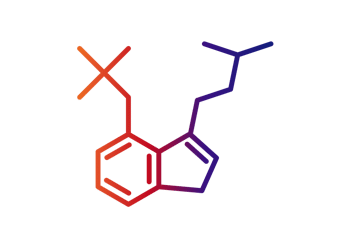
Psilocybin: /3-(2-Dimethylaminoethyl)-1H-indol-4-yl/dihydrogen phosphate
W 12 H 17 N 2 THE 4 P
Psilocybin is a widely illegal substance, and we do not encourage or condone its use where it is against the law. However, we accept that illegal drug use occurs and believe that providing responsible harm reduction information is fundamental to keeping people safe. For this reason, this guide has been developed to ensure the safety of those who choose to use psilocybin.
OVERVIEW
EXPERIENCE
Golden Teachers is one of the most popular varieties of magic mushrooms, especially for psilocybin beginners. Discover our high-quality products by visiting our online store.
What to expect
Psilocybin mushrooms are usually consumed whole and dried, and most people agree that they don't taste good. To mask the taste, some people prepare the mushrooms in tea, put them in Nutella or peanut butter, mix them with juice or a smoothie, or mix them with citrus juice ( known as Lemon Tekking They either grind them up and put them in capsules. Each of these methods will have a slightly different effect. Drinking mushroom tea, for example, will bring about the effects more quickly than eating them; Swallowing capsules will cause the effects to appear a little later.
A typical trip with a moderate dose of psilocybin mushrooms (1-2.5g) includes an increase in the intensity of emotional experiences, increased introspection, and altered psychological functioning in the form of "hypnagogic experiences," which is the transitional state between wakefulness and sleep. Brain imaging studies show that a psilocybin trip is neurologically similar to dreaming This gives you a good idea of the mindset you're getting into when undertaking a psychedelic experience.
During a psilocybin experience, you can expect to experience perceptual changes, synesthesia, emotional shifts, and a distorted sense of time. [1] Perceptual changes can include visuals such as rings around lights and objects, as well as geometric patterns when your eyes are closed. You can also experience vibrant colors, markers, distorted vision, and a feeling of the world breathing around you.
Thoughts and emotions can also change. It's not uncommon to have a sense of openness to thoughts and feelings that you avoid in your daily life, as well as a sense of wonder and pleasure with the world around you, the people in your life, and your own mind. You may also experience a sense of peace and connection with the world.
Strong, pleasant, and challenging emotions are common during a trip. When unwanted feelings arise, it's best not to resist them, but to let them run their course. Many people who reported experiencing strong negative emotions also report feeling a simultaneous sense of calm acceptance and detachment, especially if they don't resist and remember that emotions are temporary. Resisting emotions can lead to a "bad trip".
Physical side effects vary from person to person, but may include changes in heart rate (increase or decrease), changes in blood pressure (increase or decrease), nausea, increased tendon reflexes, tremors, dilated pupils, restlessness or excitement, and problems with coordinated movement. Some also report feeling deeply relaxed and calm.
One study also found that psilocybin can cause headaches that last up to a day in otherwise healthy individuals. [2] None of the individuals reported severe headaches, however, and psilocybin is actually used to treat a clinical condition called "cluster headache" - extreme headaches.
Stages of a psychedelic mushroom trip
The four basic phases of a mushroom trip are ingestion, onset, trip (peak), and comedown. Each phase comes with its own set of perceptions and observations. The peak, which normally occurs a few hours after ingestion ( unless you take it as Lemon Tekking ), results in the most intense sensory and psychological changes. No matter what stage you're in, it's important to relax and remember that what you're experiencing is temporary and there's nothing to fear.
Schedule a consultation with us and learn what to expect during a psilocybin mushroom trip - get more information.
Bad Trips
Anyone curious about trying psilocybin mushrooms for the first time will inevitably worry at some point about having a "bad trip," which can happen. A bad trip can include dysphoric hallucinations, uncontrollable paranoia, and reckless behavior.
An experience can be minimized by adhering to The 6S's of the psychedelic experience — (Set, setting, substance, sitter, session and situation) scenario, setting, substance, companion, session and situation. Being prepared and knowing your motivations before undertaking a psychedelic experience can help manage the risks.
EFFECTS
Pharmacology
Psilocybin is the active psychedelic ingredient in psychedelic mushrooms. The maximum dose to feel the effects of dried mushrooms is generally in the range of 0.2 to 0.5 g, although this varies from person to person. A moderate dose in the range of 1-2.5g, taken orally, typically produces effects that last from three to six hours. Psilocybin is about 100 times less potent than LSD and 10 times less potent than mescaline.
When you take psilocybin, your body metabolizes the substance into psilocin, both producing psychedelic effects. Psilocybin and psilocin interact primarily with serotonin receptors in the brain and have a particularly high affinity for 5-HT (serotonin) 2A subtype receptors. In rodents, psilocybin has shown a strong interaction with receptors in central brain regions that integrate sensory experiences. This may explain effects such as synesthesia – the experience of mixing sensory modalities, like hearing colors or tasting sounds – and altered sensory experiences during mushroom trips.
Effects per Dose
NOTICE: The effects listed below are not intended to be comprehensive, particularly at lower dose ranges. These may be subject to change as more reliable and broadly representative data become available.
These dosage ranges are for Psilocybe cubensis mushrooms. These results may apply to other psilocybin-containing species, but some (e.g., P. semilanceata) are more potent on average.
Microdose (0.1-0.3 g)
A microdose is a sub-perceptible (imperceptible) dose that many people incorporate into their weekly routines. The idea behind this is to increase levels of creativity, energy, and focus, and decrease levels of stress, anxiety, and emotional instability. Learn more on our website. microdosing guide . Common side effects include:
- Improved mood
- Stress reduction
- Emotional stability
- Mindfulness, presence, and peace
- Openness and self-forgiveness
- Conversational fluency
- Relief from persistent conditions such as depression, anxiety, ADHD/ADD, and PTSD.
- Greater motivation (for example, to make positive lifestyle changes)
- increased flow states
- Clearer and more connected thinking
- Improved memory
- Greater creativity
- Easier meditation
- Enhanced athletic endurance
- General increase in energy (without anxiety or a subsequent accident)
- Slight amplification of mood, positive or negative.
- Possible manic states
- Potentially increased neuroticism
Mini-dose (0.35-0.75 g)
Although an adequate microdose shouldn't be felt, a minidose of psilocybin takes you just above the perceptual threshold – but it's not a full trip. As one of our community members said, a mini-dose gives you "that total expansion of being, a feeling of total free flow" without losing touch with your surroundings. Common side effects include:
- Improved mood, mild euphoria or excitement.
- Mindfulness, presence, and peace
- Openness and self-forgiveness
- Introspective insights
- Relief from persistent conditions such as depression, anxiety, ADHD/ADD, and PTSD.
- Greater motivation (for example, to make positive lifestyle changes)
- increased flow states
- Clearer and more connected thinking
- Enhanced senses
- Easier meditation
- Greater enjoyment of physical activity and daily tasks.
- Preference for introspection over socialization.
- Increased sensitivity to light
- Very subtle visuals, if any.
- Possible manic states
- Difficulty focusing or thought loops
- Difficulty with some cognitive tasks
- Anxiety, agitation or restlessness
- Difficulty or discomfort in socializing
Museum dose (0.5-1.5 g)
The effects of psilocybin are more apparent with a museum dose than with a mini-dose, but a museum dose still won't give you a full psychedelic experience. The term "museum dose," coined by biochemist and pharmacologist Dr. Alexander Shulgin, refers to the fact that, at this dose, you can still participate in public activities (such as viewing paintings in a museum) without drawing attention. Common side effects include:
- Improved mood, euphoria or excitement
- Light to moderate visuals (e.g., "breathing" environments)
- Increased empathy
- Conversational fluency
- Insight
- increased flow states
- Enhanced senses
- Greater appreciation for music, art, etc.
- Greater creativity
- Amplifying the mood, positive or negative.
- Altered perception of sound
- Time dilation or contraction (time passing more slowly or more quickly)
- Increased sensitivity to light
- Pupil dilation
- Difficulty focusing or thought loops
- Difficulty or discomfort in socializing
- Frustration with dosage (the "no man's land")
Moderate dose (2-3.5 g)
This is where the full psychedelic experience begins. You will likely see visual hallucinations, including patterns and fractals, and things like time and depth perception will be distorted. But with this dose, you are still able to understand your surroundings – they will just be highly altered. Common side effects include:
- Introspective or philosophical insights that change lives.
- Greater flow of ideas
- Greater appreciation for music, art, etc.
- Finding mundane things funny or interesting.
- Clear wave on the upswing, peak, and downswing
- Amplification of emotions, whether good or bad.
- Visuals with eyes open and closed (e.g., patterns, auras)
- Synesthesia
- Light sensitivity
- Compulsive yawning
- Disorientation
- Fear and anxiety (experiences of a "bad trip")
- Difficulty with cognitive tasks
- Dizziness
- Nausea
Megadose (5+ g)
A megadose brings about a complete loss of connection with reality. This is where you will experience intense hallucinations, as well as ego death , mystical experiences, and profound introspection. Common effects include:
-
Mystical experience and intense feelings of wonder.
-
Introspective or philosophical insights that change lives.
-
Death of the ego
-
Very vivid visions with eyes open and closed (for example, memories coming to life)
-
Synesthesia
-
Time becoming meaningless.
-
Disorientation
-
Impaired motor function (sitter recommended!)
-
Intense fear and anxiety (extreme "bad trip" experiences)
-
Extreme difficulty with cognitive tasks.
-
Dizziness
-
Nausea
Interactions with other drugs
So far, there isn't much data on the interaction of psilocybin with other drugs, whether good or bad, but it's better to be intentional and err on the side of caution when mixing two substances. Here's what we know .
Positive Interactions
-
Cannabis : Cannabis has the potential to enhance the psychedelic nature of mushrooms, but it's best to wait until the second half of the experience so as not to interfere with the insight provided by psilocybin.
-
Ketamine : Psilocybin + ketamine is the classic Burning Man combination. If you combine ketamine with psilocybin, wait until the intensity of the psilocybin experience has passed before using ketamine.
-
MDMA : Colloquially known as "hippy flipping," mixing MDMA and psilocybin is a common practice. While no existing research supports the safety or danger of this combination, anecdotal reports suggest that MDMA may enhance the psilocybin trip and even help you avoid being overwhelmed by negative emotions.
Neutral Interactions
-
Coffee: There are no known side effects from mixing coffee and psilocybin, but some believe that the energy boost from caffeine may enhance the psilocybin experience.
Negative Interactions
-
Alcohol : Anecdotal reports from emergency rooms suggest that abstaining from alcohol while taking mushrooms is the safest and smartest bet. In fact, it's best to abstain from alcohol while using any psychedelic. [4]
-
Adderall, Xanax, SSRI antidepressants : These are powerful psychoactive drugs with largely subjective side effects, and psychedelic use should be approached with extreme caution if you regularly take any of these substances. Furthermore, psilocybin is a potent serotonin agonist, which means it can interfere with... any medication that alters the serotonin system .
Always consult a professional HERE.
BENEFITS AND RISKS
Potential benefits
Among the many historical cultures that have used them, psychedelic mushrooms have a long-standing, profound, and historic reputation as an agent of healing and transformation. Beyond folklore, the benefits of these small but powerful fungi are being widely recognized today. Studies on the wide and varied use of psychoactive mushrooms are being conducted in the United States and abroad, and there is strong evidence that they are indeed drivers of personal growth. A recent study published in the Journal of Psychopharmacology They found that "a single dose of psilocybin produced substantial and lasting decreases in depressed mood and anxiety, as well as increases in quality of life."
Furthermore, the mystical and profound experiences that occurred when psilocybin entered the American psychedelic lexicon in the 1960s are now being researched and explored in conventional medical science. The results are promising and compelling, suggesting that psilocybin may be a powerful healer.
More specifically, clinical trials involving patients dealing with life-threatening cancer have been and are being conducted in the United States and abroad. These trials are primarily attempting to understand the effectiveness of high-dose psilocybin experiments administered in therapeutic settings as a tool to reduce the psychological stress and anxiety that often accompany a life-threatening diagnosis. The results so far have been promising. Under double-blind, placebo-controlled conditions, a single high dose of psilocybin was shown to reduce symptoms of psychological distress among people with terminal diagnoses, and the effects of this experiment were substantial and long-lasting.
Furthermore, there is a growing body of research suggesting that part of the reason psilocybin is so effective is that it affects neuroplasticity , or the brain's ability to learn, grow, and, most importantly, to change .
Risks
Psilocybin is widely considered one of the safest psychoactive substances you can take. THE Global Drug Survey 2017 It was discovered that psilocybin is the safest of all recreational drugs on the market and that only 0.2% of people who took psilocybin in 2016 required emergency medical treatment. This is five times less than for MDMA, LSD, and cocaine. Psilocybin is also not addictive and there is no known lethal dose, which means that even if you have a bad trip, it's unlikely you'll overdose.
That being said, taking any drug is not without risks. At the beginning and during a trip, psilocybin can cause some physical side effects, such as nausea, sweating, numbness, and tremors. It can also lead to anxiety, panic attacks, paranoia, and mood swings. A survey Published in Substance Abuse and Misuse The study found that up to 33% of people surveyed who took mushrooms experienced paranoia and anxiety at some point during the trip. Long-term physical and psychological effects are rare. When they occur, research suggests that the cause was underlying psychological disorders, not the mushrooms themselves.
However, there is something called Hallucinogen Persistent Perception Disorder (HPPD), which is commonly known as "flashbacks." Unlike flashbacks associated with PTSD, however, HPPD is unique to psychedelics and involves perceptual changes occurring weeks or months after using psilocybin (or another psychedelic). The prevalence of HPPD is unknown, but it is considered a rare disease and is not associated with any physical changes or neurological damage.
THERAPEUTIC USE
However, after the federal government reclassified psilocybin as a Schedule I drug in the 1970s, research into its therapeutic effects became virtually nonexistent. All of that changed with the third wave of psychedelics. With anecdotal reports of psilocybin's therapeutic effects finally capturing the attention of medical professionals and regulators and reaching the mainstream, research is now being funded and conducted by many organizations, including MAPS, The Beckley Foundation and The Johns Hopkins Center for Psychedelic & Consciousness. Like the research in the 60s and 70s, current research is showing that psilocybin may have profound therapeutic effects.
Psilocybin in the treatment of mood and anxiety disorders.
For years, anecdotal reports have shown that psilocybin (and other psychedelics) is an effective treatment for mood disorders such as depression and anxiety. Now in the third wave of psychedelics, this is one of the most prevalent areas of modern clinical research involving psilocybin, leading the federal government to allow some small, highly controlled studies to be conducted on the therapeutic potential of psilocybin in mood disorders. In 2011, for example, a pilot study tested the effects of psilocybin on end-of-life depression and anxiety in terminally ill cancer patients. [6] The patients in this study had advanced stage cancer and a clinical diagnosis of stress or anxiety related to their disease. Following treatment with psilocybin, researchers observed significant improvements in measures of depression and anxiety up to six months after the trial. This study ended up receiving the Phase II status by the FDA, which means a larger study could be conducted.
Another study by a prestigious research group in London suggests that psilocybin may be used to treat major depression. [7] In the study, twelve patients received two doses of psilocybin (one low and one high), combined with psychological support. One week after the second dose, depression scores were significantly reduced in almost all patients, with eight out of 12 showing no symptoms of depression. Three months later, five patients were still free of depression, and four of the remaining seven had a reduction in their depression classification from "severe" to "mild or moderate."
At PSICODELIX, we provide well-researched, high-quality information specific to classic psychedelics – and how it can be used to help people like you live more vibrant lives.
Everything you need to know Regarding the safe use of microdosing to help alleviate symptoms of depression.
Always consult a professional HERE.
Treatment with psilocybin has also been shown to successfully reduce symptoms of obsessive-compulsive disorder (OCD) in a small study of people who did not respond to conventional serotonin reuptake inhibitor (SRI) therapy. [8] In this study, all patients experienced a reduction in OCD symptoms ranging from 23% to 100%.
Studies on psilocybin continue to unfold, proving its transformative healing powers. Check out Third Wave's curated list of cutting-edge research on psilocybin for depression and anxiety in our recent 2021 news article.
Psilocybin in the Treatment of Addiction
In the 1950s and 60s, "classic psychedelics" were used in preclinical trials to treat addiction with promising results. But again, once many of these psychedelics were made illegal in the US and most of Europe, research into their use for therapeutic applications was interrupted. But recent years have seen a resurgence of research examining psilocybin and other psychedelics as promising treatments for addiction.
In a 2015 study, for example, psilocybin proved useful in treating alcoholism as part of an assisted treatment plan. [9] Significant reductions in alcohol consumption and abstinence from drinking have been reported following the administration of psilocybin as part of a treatment program.
Psilocybin also appears to be a potential tool to help people quit smoking tobacco. In a recent study, 15 smokers experienced two to three sessions of psilocybin as part of a larger cognitive-behavioral therapy program to quit smoking. Twelve of the participants (80%) were able to stop successfully. [10] In comparison, the success rates of conventional smoking cessation methods – including gum, patches, and cold turkey – are around 35%.
Psilocybin in the treatment of cluster headaches
More intense but shorter in duration than migraines, cluster headaches are often described as the type of headache... most painful and disturbing and significantly interfere in a person's life.
To date, no systematic studies have been published describing the potential of psilocybin to treat cluster headaches, but anecdotal reports claiming such use have caught the attention of the medical community. In the mid-2000s, medical professionals began to take notice of psilocybin and LSD as potential treatments for cluster headaches after some of their patients reported remission of their condition following recreational use of psychedelics and subsequent self-medication. [11]
A recent study reported that psilocybin could be a more effective treatment for cluster headaches than currently available medications, with nearly 50% of patients reporting psilocybin as a completely effective treatment. [12] Several clinical studies on this use are underway, and more research should be available soon. [13] [14]
Does psilocybin rewire the brain?
Some researchers are beginning to theorize that many of psilocybin's beneficial effects on mental health conditions may be due to its ability to "reset" the Default Mode Network (DMN), the brain's control system. An overactive DMN has been associated with depression and other mood disorders, and psilocybin has been shown to dramatically reduce activity in the area. [15] This has been associated with antidepressant effects. [16
PERSONAL GROWTH
Anecdotal reports have long supported these initial findings. After an experience with psilocybin, people generally report a greater appreciation for music, art, and nature, along with more tolerance for others and greater creativity and imagination .
A 2011 study also found that more than a year after participants had a single psilocybin experience, their self-reported measures of openness remained significantly elevated, which research in this study and beyond attributes to a somewhat mysterious but powerful aspect of a mushroom trip: the mystical experience.
In this case, a mystical experience is defined as "feelings of unity and interconnectedness with all people and things, a sense of sacredness, feelings of peace and joy, a sense of transcending normal time and space, ineffability, and an intuitive belief that the experience is a source of objective truth about the nature of reality." The religious affiliation of people who reported having a mystical-type experience during a mushroom trip spans the entire spectrum, but, interestingly, the depth of such experiences doesn't seem to correlate with religious belief – even atheists have reported similar experiences. The importance of its psilocybin induction. Mystical experiences. . Furthermore, research has shown that the more intense the mystical experience, the greater the positive and long-term changes a person sees. [20]
These subjective effects, such as feelings of interconnectedness, are likely a result of psilocybin's ability to decrease the interconnectivity of integration centers in the brain. [21] In short, this means that psilocybin allows for more "cross-talk" between brain regions that are normally segregated. Researchers speculate that this allows for a state of "unrestricted cognition," meaning that the ways in which we normally organize, categorize, and differentiate aspects of conscious experience are broken down, and thinking becomes more flexible. [22] To understand how this can be beneficial, it's helpful to know that similar patterns of brain activity are also... observed during various states of meditation . To learn more about this, see our blog post on combining psychedelics and meditation. .
It may not surprise you, then, to learn that research has shown that psilocybin can be used to enhance one's spiritual practice. In a recent study, 75 participants engaged in a six-month spiritual course involving meditation, mindfulness, and self-reflection. During the course, participants received either a low or high dose of psilocybin. At the end of the six months, participants who received the high dose of psilocybin showed significantly greater improvements in measures of spirituality, such as interpersonal closeness, meaning in life, transcendence of death, and forgiveness. [23]
With all this in mind, many people believe that psilocybin (and other psychedelics) can be a key component of self-improvement and self-optimization. By creating the experience of feeling connected to the universe (in whatever individual form it may take) and confronting the deepest part of oneself, many believe that psilocybin can help you take the necessary steps to become the best version of yourself.
Considering a psilocybin experience for personal growth? Contact us HERE.
MICRODOSING
While the modern history of psychedelics dates back to the 1950s, interest in microdosing arose with the publication of Dr. James Fadiman's 2011 book, The Psychedelic Explorer's Guide: Safe, Therapeutic, and Sacred Journeys . The book explores microdosing as a subculture of psychedelic use. While many indigenous cultures, as well as modern practitioners, have used microdosing to unlock a range of benefits, Fadiman's book formally introduced the term "microdosing" into the psychedelic mainstream.
Fadiman's ongoing research also serves as one of the few modern studies on the effects of microdosing specifically. Although there are some Recent clinical studies examining the effectiveness of microdosing. We now know more about what large doses of psychedelics do to the brain. But chances are microdosing will do a similar job, just on a smaller scale. To learn more about microdosing, read our [link/resource]. comprehensive guide microdosing.
LEGALITY
How to buy psilocybin mushrooms
Psilocybin has been illegal in most countries for decades, so be sure to familiarize yourself with local laws before purchasing it. buy mushrooms with psilocybin . In the Netherlands, for example, it is possible to buy "magic truffles" which contain psilocybin without breaking the law due to a legal loophole. Psilocybin is also somehow legal in Brazil, the British Virgin Islands, and Jamaica.
On May 7, 2019, citizens of Denver, Colorado, voted to decriminalize psilocybin mushrooms. [24] This means that it is no longer a punishable offense for adults aged 21 or older to possess them for personal use. That doesn't make them legal, however. If you are caught selling or distributing psilocybin mushrooms, and possibly even cultivating them, you could still face criminal charges. The law remains unchanged for the rest of Colorado – at least for now.
In June of the same year, Oakland, California, followed suit with its own amendment: Council members voted unanimously to decriminalize not only psilocybin mushrooms, but all “entheogenic plants” containing indolamines, tryptamines, and phenethylamines. As in Denver, this applies only to adults 21 years of age or older and does not include synthetic substances derived from plants or fungi, such as LSD. However, unlike Denver, it also decriminalizes (or rather, deprioritizes the enforcement of the law) the cultivation and distribution of specified psychedelics – which includes psilocybin mushrooms. [25] [26] Oakland is implementing a “Grow, Gather, Gift” framework for legalization, which encourages people to grow their own, harvest their own, and give away their own herbal medicines, rather than establishing a for-profit market.
Before buying legal mushrooms, it's important to consider how you intend to consume them. To help you decide, consult us HERE.
Psilocybin mushrooms in Brazil
HISTORY AND STATISTICS
A brief history
Archaeological evidence from the Sahara Desert suggests that humans have been using psychedelic mushrooms for 7,000 years or more, and mushrooms are depicted in prehistoric art in many geographical regions. [27] In most cases, they are believed to be religious symbols, often in the context of ceremonies celebrating rights of passage. Some believe that if our ancestors used mushrooms, that experience may have influenced prehistoric culture. From art to religion and the social values that regulated daily life. .
Some people take this theory too far. In the 1990s, ethnobotanist and psychonaut Terence McKenna postulated that “ The Stoned Monkey Hypothesis which suggests that when early humans or pre-human hominids ingested psychedelic mushrooms, it triggered intellectual advancements that led to evolutionary benefits – including the mind as we know it today. It should be noted that the scientific community views this hypothesis with skepticism due to a lack of evidence to support some of its assumptions.
However, there are extensive accounts of pre-Columbian psilocybin use among the Mayan and Aztec cultures of Mesoamerica, notably in Mexico and Guatemala. After conquering these areas in the 15th and 16th centuries, the Spanish prohibited the use of psychedelic mushrooms by the indigenous peoples, considering it a savage and uncivilized cultural practice. Despite this, indigenous shamans secretly ignored Spanish law for over 400 years and continued to use and manage these mushrooms to preserve their cultural heritage.
The first reliable account in the West of "poisoning" with psilocybin mushrooms came in 1799, when four children were accidentally fed them. Psilocybe semilanceata, a type of psychedelic mushroom, which his father unknowingly cooked and cooked in a stew.
The famous Swiss chemist Albert Hofmann (who synthesized LSD) first isolated psilocybin in the laboratory in 1957 from Psilocybe mexicana , a type of mushroom found primarily in Central America. A year later, it was produced synthetically for the first time. [28]
Gordon Wasson, former vice chairman of JP Morgan & Company, apparently had a fascination with psilocybin mushrooms, which became an obsession. In 1955, he traveled to Oaxaca, Mexico, to meet the mushroom shaman Maria Sabina, a member of the Mazatec indigenous tribe, who introduced him to psilocybin mushrooms. On his first mushroom trip, he reported feeling as if his soul had been ripped from his body. [29] Wasson effectively started the psychedelic mushroom movement in the West when, in 1957, Time magazine published his photographic essay, “ Seeking the Magic Mushroom in which he detailed his experiences.
After reading about Wasson's experiences and then traveling to Oaxaca to try psilocybin mushrooms for themselves, Timothy Leary and Richard Alpert, researchers at Harvard University, founded the Harvard Psilocybin Project , who fired them shortly afterwards. So they did what any charismatic, unemployed academic would have done in 1962: they started a psychedelic movement. Psilocybin mushrooms were quickly adopted in the counterculture of the 1960s.
In 1971, psilocybin was listed under the United Nations Convention on Psychotropic Substances as a Schedule I drug in the U.S., making it illegal for all purposes. [30] However, mushrooms with psilocybin They were not part of the UN convention, which, to this day, allows countries that have signed the convention (essentially a treaty) to regulate mushrooms that naturally contain psilocybin as they see fit. However, psilocybin mushrooms are illegal in most countries today. although there are exceptions .
Current use
- Psilocybin mushrooms are the most commonly used psychedelics among people aged 34 and under. [31]
- A 2012 study of 409 college students in the northeastern U.S. found that nearly 30% had tried psilocybin mushrooms at least once. [32]
- A report of data collected in the 2010 National Survey of Drug Use and Health (NSDUH) shows that, compared to other drugs, psychedelics – which include LSD, PCP, peyote, mescaline, psilocybin mushrooms, and MDMA – were used by approximately 1.2% of the population aged 12 and older in the past month. Interestingly, "psychotherapeutic" drugs (such as prescription antidepressants and antipsychotics) are reportedly used illegally at a rate almost six times higher than psychedelics.
- Research in 12 EU member states found that the use of psilocybin mushrooms among people aged 15 to 24 ranges from less than 1% to 8%.
- In the United Kingdom, nearly 340,000 people aged between 16 and 59 years old They used psilocybin mushrooms in the last year starting in 2004/2005, shortly before they became completely illegal in the United Kingdom.
Types of Mushrooms
Of the more than 180 Known types of psychedelic mushrooms The most well-known and consumed species are:
- Psilocybe cubensis : The best known and most widely cultivated of psilocybin mushrooms.
- Psilocybe cyanescens Less well-known compared to Psilocybe cubensis, but no less cultivated. These are a little smaller and a little more psychoactive.
- Psilocybe azurescens: Discovered by world-renowned mycologist Paul Stamets in the mid-1990s, this is probably the most potent psilocybin mushroom in the world.
- Amanita Muscaria (Fly Agaric) : A red and white mushroom containing the psychoactive elements ibotenic acid and muscimol. This mushroom was regularly used in shamanic traditions by the indigenous cultures of Siberia and the Baltic.
Although magic mushrooms are typically from the genus Psilocybe, these are not the only species that contain active compounds – by far. Check out our recent article to learn about the mushrooms Panaeolus , Gymnopilus , Inocybe and Conocybe , to name a few.
How to identify psychedelic mushrooms
Of course, when you start mushroom hunting, pay attention. In addition to Distinctive strains like Penis Envy there are many types of mushrooms that look similar with varying levels of toxicity, and generally only well-trained mushroom hunters can differentiate between the species. If you know what to look for, picking a deadly mushroom is unlikely, but it's important to be aware of what you're doing. Misidentified mushrooms can cause illness or (though rarely) even death when consumed.
That being said, Psilocybe cubensis grows abundantly in tropical zones around the world. They are classic umbrella-shaped mushrooms with thick stems and predominantly light brown to golden caps that are bulbous before fruiting and flat and wide in diameter when fully mature. THE The most popular cubensis variety is Golden Teachers. , known for medium-strength effects and deeply insightful journeys.
Psilocybe azurescens, on the other hand, is endemic to the west coast of the United States and appears thinner and more convex. Read more about how to identify psychedelic mushrooms.
MYTHS
"Mushrooms containing Psilocybin cause brain hemorrhage, stomach bleeding, and/or kidney failure."
A "bleeding brain" would be diagnosed as a stroke, hemorrhage, or aneurysm. There is no evidence that this has happened after ingesting psilocybin mushrooms, nor is there any evidence to suggest that these mushrooms cause stomach bleeding. A 1981 report found that the two most common complications from mushroom use were dilated pupils and overly sensitive reflexes. [33] Other literature reviews have found no complications related to mushroom use in healthy individuals. [34] [35]
Regarding kidney problems, the issue is actually a problem with mushroom identification. The psychedelic mushroom species Psilocybe semilanceata It does not cause kidney problems, but mushrooms of the family Cortinarius are often confused with P. semilanceata and they are harmful to the kidneys.
"Mushrooms drive you crazy"
Researchers have drawn parallels between psilocybin mushroom trips and psychotic episodes like those found in schizophrenia, but in almost all cases, this is temporary (hence the term "trip"). [36] Even people who are admitted to the emergency room after taking psilocybin mushrooms return to their normal physical and mental state within hours. [37] A large recent population-wide study found a probability reduced psychological distress and suicide among those who use classic psychedelics, such as psilocybin mushrooms and LSD. [38]
Although there is no conclusive evidence suggesting that latent mental health problems can be exacerbated by the use of psychedelics, many scientists believe this to be the case. [39] Therefore, if you have a history of mental illness (especially schizophrenia), you should avoid psychedelic drugs.
"Magic mushrooms are poisonous."
That depends on your definition of "poisonous". If you categorize a chemical substance that induces a state of intoxication, alters your consciousness, and causes some physiological changes as poisonous, then psilocybin mushrooms are certainly poisonous. But if that's the case, then all drugs are poisonous, including alcohol, tobacco, marijuana, and caffeine. A more restrictive definition of a poisonous substance, however, would not classify psilocybin as such.
Although mushroom poisoning While non-psychedelic species can cause serious physical illness and, in rare cases, death, psilocybin mushrooms are not toxic. Proper identification of mushroom species is therefore critical.
Frequently Asked Questions
Where can I find legal psilocybin retreats?
We support your journey with the legal experience of using mushrooms for personal seeking and spiritual growth, provided you are willing to participate in our guidance on your journey, just like everyone else here in our community.
Can psilocybin be detected in a drug test?
Psilocybin mushrooms and their metabolites are not included in most standard drug screens. However, sometimes they are included in extended drug screens. [40]
Can psilocybin cause psychological trauma?
Always consult us before taking psychedelics because if you have a family history of mental health problems, psilocybin may cause psychological trauma.
In some cases, psilocybin can lead to a short period of acute psychosis, colloquially known as "bad trip" if you don't follow the advice and safe practices . Although there is no concrete evidence, some scientists suspect that psilocybin may cause latent mental health problems.
How can I tell if I have psilocybin mushrooms?
Many mushroom species contain psilocybin, and some resemble poisonous mushrooms, so it's important... identify your mushrooms correctly. Many species of psilocybin mushrooms are recognizable by their long, thin stems and short, cone-shaped caps. Others rarer mushroom species, such as the Penis Envy, they are defined by the thick, thick stems and bulbous cap.
Is it legal to grow mushrooms containing psilocybin?
In most countries, it is illegal to possess, buy, or cultivate psilocybin mushrooms. However, in Brazil, the sale of fungi and spores for ethnobotanical research, private spiritual use, and personal exploration through these entheogenic compounds is legal. If you If you want to buy high-quality mushrooms, contact us.
What is the best way to store psilocybin mushrooms?
Mushrooms are organic matter, which means you need to store them properly to slow down the decomposition process. Refrigerators typically work well for raw mushrooms, while freezers are more suitable for dried varieties. To ensure your mycelium collection remains fresh, we recommend choosing a method for storing magic mushrooms that adapts to how and when you want to eat your mushrooms.
How do I take psilocybin mushrooms?
Mushrooms containing psilocybin may be They can be consumed whole, prepared as a tea, taken in capsules, or cooked into food. . A moderate dose is 1-2.5g, which can be weighed on a scale.
Did you know that the method of consumption can affect your psilocybin experience? Check out our recent article to learn more about how different forms of magic mushrooms can affect the onset, duration, and intensity of your trip.
How do I microdose psilocybin mushrooms?
Psilocybin mushrooms can be microdosed. ingesting approximately 0.1-0.3 g, but Everyone's tolerance level is different. .
How does psilocybin tolerance work?
Take a moderate dose of Psilocybin will produce immediate tolerance. . If you take the medication again soon, it will have a weaker effect. You should wait at least three days between doses of psilocybin.
Psilocybin also has immediate cross-effects, meaning that it creates tolerance to other psychedelics in the same pharmacological class. Learn more about Psilocybin tolerance and how to avoid bad trips are discussed in our detailed article. .
Can I mix psilocybin with other drugs?
Psilocybin should not be mixed with tramadol, as this can lead to... serotonin syndrome . Be careful when mixing psilocybin with cannabis, amphetamines, or cocaine. Click here to obtain a detailed chart of safe drug combinations.
FOOTNOTES
[1] Passie, T., Seifert, J., Schneider, U., & Emrich, H. M. (2002). The pharmacology of psilocybin. Addiction Biology, 7(4), 357–364. Retrieved from: https://maps.org/research-archive/w3pb/2002/2002_Passie_22704_1.pdf .
[2] Johnson, MW, Sewell, RA, & Griffiths, RR (2012). Psilocybin, depending on the dose, causes transient and delayed headaches in healthy volunteers. Drug and Alcohol Addiction , 123 (1), 132–140. Retrieved from: https://cpdd.org/publications/drug-and-alcohol-dependence/ .
[3] Studerus, E., Kometer, M., Hasler, F., & Vollenweider, F. F. (2011). Acute, subacute, and long-term subjective effects of psilocybin in healthy humans: a pooled analysis of experimental studies. Journal of Psychopharmacology , 25 (11), 1434-1452. Retrieved from: https://journals.sagepub.com/doi/full/10.1177/0269881110382466 .
[4] van Amsterdam, J., Opperhuizen, A., & van den Brink, W. (2011). Potential for harm from using magic mushrooms: a review. Regulatory Toxicology and Pharmacology , 59 (3), 423–429. Retrieved from: https://www.ovid.com/product-details.12163.html .
[5] Vollenweider, F. F., & Kometer, M. (2010). The neurobiology of psychedelic drugs: implications for the treatment of mood disorders. Nature Reviews Neuroscience , 11 (9), 642-651. Retrieved from: https://www.nature.com/articles/nrn2884 .
[6] Grob, C.S., Danforth, A.L., Chopra, G.S., Hagerty, M., McKay, C.R., Halberstadt, A.L., & Greer, G.R. (2011). Pilot study of psilocybin treatment for anxiety in patients with advanced cancer. Archives of General Psychiatry , 68 (1), 71-78. Retrieved from: https://jamanetwork.com/journals/jamapsychiatry/fullarticle/210962 .
[7] Carhart-Harris et al. (2016). Psilocybin with psychological support for treatment-resistant depression: an open-label feasibility study. The Lancet of Psychiatry. Retrieved from: https://www.thelancet.com/action/showPdf?pii=S2215-0366%2816%2930065-7 .
[8] Moreno, FA, Wiegand, CB, Taitano, EK, & Delgado, PL (2006). Safety, tolerability, and efficacy of psilocybin in 9 patients with obsessive-compulsive disorder. Journal of Clinical Psychiatry , 67 (11), 1735-1740. Retrieved from: https://maps.org/research-archive/w3pb/2006/2006_Moreno_22868_1.pdf .
[9] Bogenschutz, MP, Forcehimes, AA, Pommy, JA, Wilcox, CE, Barbosa, PCR, & Strassman, RJ (2015). Psilocybin-assisted treatment for alcohol dependence: A proof-of-concept study. Journal of Psychopharmacology , 29 (3), 289-299. Retrieved from: https://www.researchgate.net/publication/270909625_Psilocybin-assisted_treatment_for_alcohol_dependence_A_proof-of-concept_study .
[10] Johnson, MW, Garcia-Romeu, A., Cosimano, MP, & Griffiths, RR (2014). Pilot study of psilocybin 5-HT2AR agonist in the treatment of tobacco dependence. Journal of Psychopharmacology. Retrieved from: https://journals.sagepub.com/doi/10.1177/0269881114548296 .
[11] Sewell, R. A., Halpern, J. H., & Pope, H. G. (2006). Response of cluster headache to psilocybin and LSD. Neurology , 66 (12), 1920-1922. Retrieved from: http://www.en.psilosophy.info/pdf/response_of_cluster_headache_to_psilocybin_and_lsd_(psilosophy.info).pdf .
[12] Schindler et al (2015). Indoleamine hallucinogens in cluster headache: research results on the use of Clusterbuster drugs. J Psychoactive Drugs, 47(5), 372-381. Retrieved from: https://www.tandfonline.com/doi/abs/10.1080/02791072.2015.1107664?journalCode=ujpd20 .
[13] Research on psilocybin and LSD as a treatment for cluster headaches. Recovered from
https://maps.org/research-archive/html_bak/totestcsses.html
[14] Psilocybin for the treatment of cluster headaches. Recovered from
https://clinicaltrials.gov/ct2/show/NCT02981173
[15] Carhart-Harris et al. (2012). Neural correlates of the psychedelic state as determined by fMRI studies with psilocybin. Proc Natl Acad Sci USA , 109(6) 2138-43. Retrieved from: https://www.pnas.org/content/pnas/109/6/2138.full.pdf .
[16] Carhart-Harris et al. (2017). Psilocybin for treatment-resistant depression: brain mechanisms measured by fMRI. Scientific reports , 7 :13187. Retrieved from: https://www.nature.com/articles/s41598-017-13282-7.pdf .
[17] Leary, T., Litwin, G. H., & Metzner, R. (1963). Reactions to psilocybin administered in a supportive setting. The Journal of Nervous and Mental Disease , 137 (6), 561-573. Retrieved from: https://journals.lww.com/jonmd/Citation/1963/12000/REACTIONS_TO_PSILOCYBJN_ADMINISTERED_IN_A.7.aspx .
[18] Alpert, R., Leary, T., & Metzner, R. (1971). The psychedelic experience. Retrieved from: https://amzn.to/3fXDXFI .
[19] Studerus, E., Gamma, A., & Vollenweider, F. F. (2010). Psychometric evaluation of the Altered States of Consciousness Assessment Scale (OAV). PLOS ONE, 5(8), e12412. Retrieved from: https://journals.plos.org/plosone/article/file?id=10.1371/journal.pone.0012412&type=printable .
[20] Griffiths, R.R., Richards, W.A., Johnson, M.W., McCann, U.D., & Jesse, R. (2008). Mystical-type experiences induced by psilocybin mediated the attribution of personal and spiritual meaning 14 months later. Journal of Psychopharmacology . Retrieved from: https://www.ncbi.nlm.nih.gov/pmc/articles/PMC3050654/pdf/nihms252841.pdf .
[21] Carhart-Harris, R.L., Erritzoe, D., Williams, T., Stone, J.M., Reed, L.J., Colasanti, A., … others. (2012). Neural correlates of the psychedelic state as determined by fMRI studies with psilocybin. Annals of the National Academy of Sciences , 109 (6), 2138-2143. Retrieved from: https://www.pnas.org/content/pnas/109/6/2138.full.pdf .
[22] Restructuring consciousness – the psychedelic state in light of integrated information theory. Recovered from https://www.ncbi.nlm.nih.gov/pmc/articles/PMC4464176/
[23] Griffiths et al. (2017). The mystical-type experience induced by psilocybin in combination with meditation and other spiritual practices produces lasting positive changes in psychological functioning and in measures of pro-social attitudes and behaviors. J Psicofarm. Retrieved from: https://www.ncbi.nlm.nih.gov/pmc/articles/PMC5772431/pdf/10.1177_0269881117731279.pdf .
[24] Denver Psilocybin Mushroom Decriminalization Initiative. Title and text of the ballot. Recovered from https://static1.squarespace.com/static/5bb4f9c27046803ce123a760/t/5c6360158165f54e1f1b090a/1550016533926/DPMDI.pdf.
[25] AP (June 5, 2019). The Latest: Oakland, the second city in the US to legalize magic mushrooms. Recovered from https://www.apnews.com/ff023dfbf4534eba8622f504d272ff00 .
[26] Decriminalize Nature Oakland. Resolution. Recovered from https://www.decriminalizenature.org/dno-resolution .
[27] Samorini, G. (2009). The oldest depictions of hallucinogenic mushrooms in the world. Retrieved from: https://pdfs.semanticscholar.org/249d/d61313bc743fee0a556d6a6252a1a541c1cb.pdf?_ga=2.183696166.1455736836.1593080084-259026952.1593080084 .
[28] Passie, T., Seifert, J., Schneider, U., & Emrich, H. M. (2002). The pharmacology of psilocybin. Addiction Biology , 7 (4), 357–364. Retrieved from: https://maps.org/research-archive/w3pb/2002/2002_Passie_22704_1.pdf .
[29] Teresi, D. (June 3, 2007). Mushroom: A Cultural History of the Magic Mushroom – Andy Letcher - Books - Revision. The New York Times .
[30] Psychotropic substances .
[31] Krebs, T.S., & Johansen, P.-Ø. (2013). Over 30 million psychedelic users in the United States. F1000 Search . Retrieved from: https://pdfs.semanticscholar.org/6ee7/374715292bfe3a16cb61f820a4bdc92164cc.pdf?_ga=2.220896664.1455736836.1593080084-259026952.1593080084 .
[32] Hallock, R. M., Dean, A., Knecht, Z. A., Spencer, J., & Taverna, E. C. (2013). A study on the use of hallucinogenic mushrooms, factors related to their use, and perceptions of use among university students. Drug and Alcohol Addiction , 130 (1), 245–248. Retrieved from: https://www.sciencedirect.com/science/article/abs/pii/S0376871612004516?via%3Dihub .
[33] Peden, N.R., Macaulay, K.E.C., Bissett, A.F., Crooks, J., & Pelosi, A.J. (1981). Clinical toxicology of "magic mushroom" ingestion. Postgraduate Medical Journal , 57 (671), 543–545. Retrieved from: https://pmj.bmj.com/content/postgradmedj/57/671/543.full.pdf .
[34] Passie, T., Seifert, J., Schneider, U., & Emrich, H. M. (2002). The pharmacology of psilocybin. Addiction Biology, 7(4), 357–364. Retrieved from: https://maps.org/research-archive/w3pb/2002/2002_Passie_22704_1.pdf .
[35] van Amsterdam, J., Opperhuizen, A., & van den Brink, W. (2011). Potential for harm from using magic mushrooms: a review. Regulatory Toxicology and Pharmacology, 59(3), 423–429. Retrieved from: https://www.sciencedirect.com/science/article/abs/pii/S0273230011000080?via%3Dihub .
[36] Vollenweider, F. F., Vollenweider-Scherpenhuyzen, M. F., Bäbler, A., Vogel, H., & Hell, D. (1998). Psilocybin induces schizophrenia-like psychosis in humans through an agonist action on serotonin-2. Neuroreport , 9 (17), 3897-3902. Retrieved from: https://journals.lww.com/neuroreport/Abstract/1998/12010/Psilocybin_induces_schizophrenia_like_psychosis_in.24.aspx .
[37] L, S., H, G., & K, C. (2004). Poisoning resulting from the ingestion of magic mushrooms in Krakow. Przeglad Lekarski , 62 (6), 394-396. Retrieved from: http://www.oit.cm.uj.edu.pl/documents/31784089/35444205/Magic_mushroom2005.pdf .
[38] Hendricks, PS, Thorne, CB, Clark, CB, Coombs, DW, & Johnson, MW (2015). The classic use of psychedelics is associated with a reduction in psychological distress and suicide in the adult population of the United States. Journal of Psychopharmacology , 29 (3), 280-288. Retrieved from: https://journals.sagepub.com/doi/10.1177/0269881114565653 .
[39] Nichols DE (2004) Hallucinogens. Pharmacology & Therapeutics , 101, 131-181. Retrieved from: https://www.sciencedirect.com/science/article/abs/pii/S0163725803001657?via%3Dihub .
[40] Erowid Psilocybin Mushroom Vault: Drug Testing. Retrieved from: https://erowid.org/plants/mushrooms/mushrooms_testing.shtml .